 BetterNotes
Turn messy notes into clean LaTeX + PDF
Choose a template, describe your content, and get a print-ready academic PDF in seconds, powered by AI.
Already have an account? Log in
Popular templates
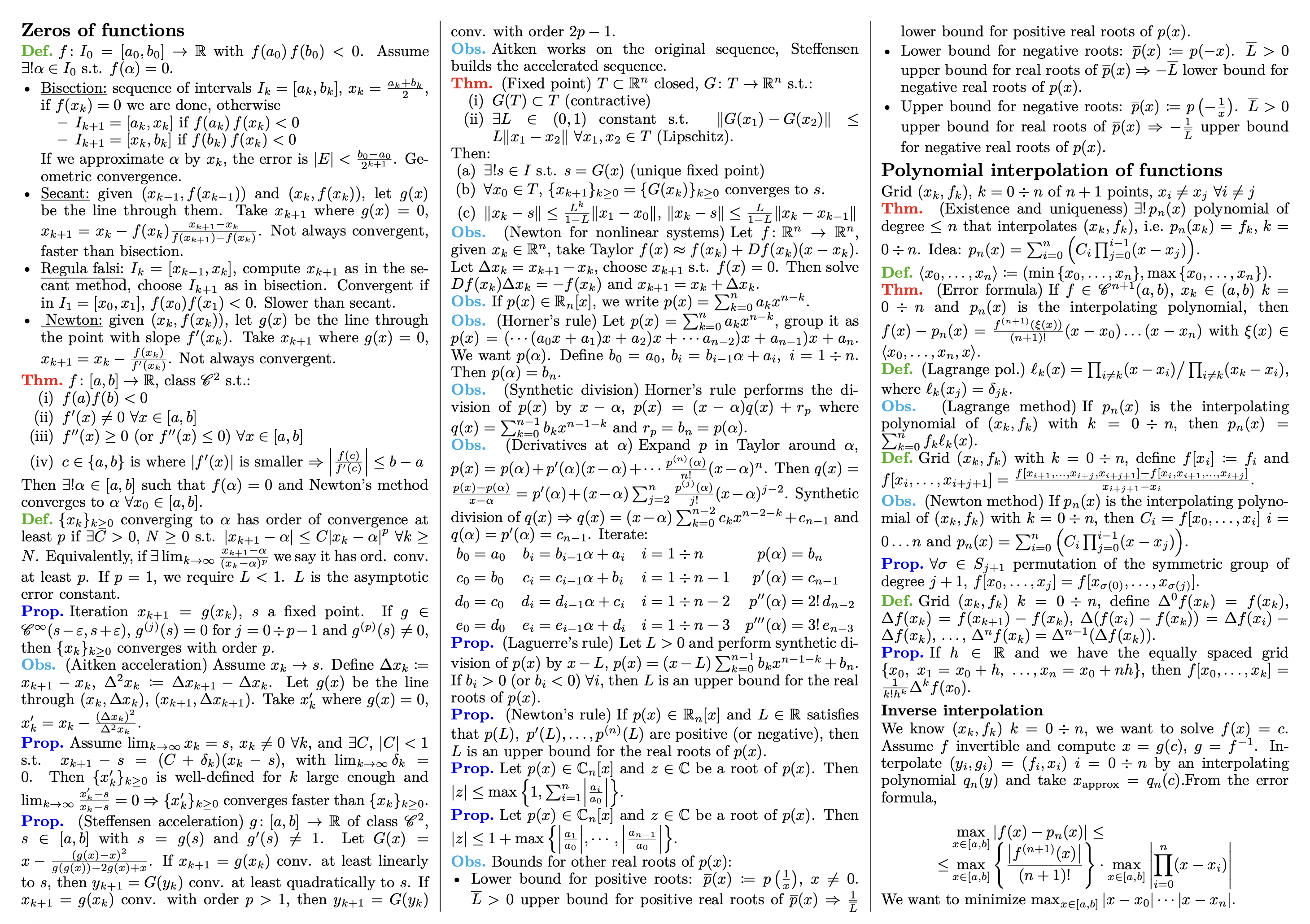
Compact 3 Columns Landscape
✓ Selected
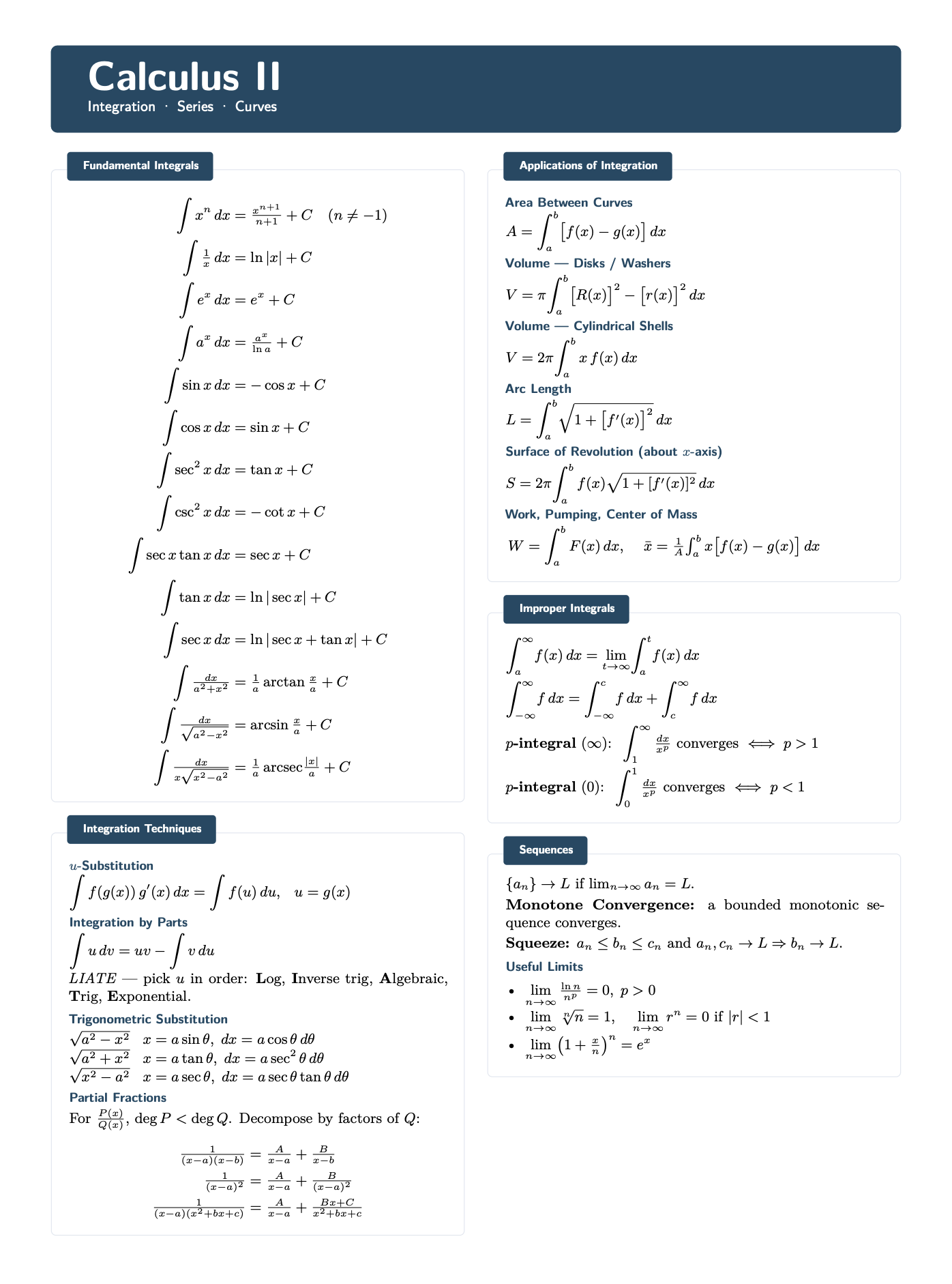
Modern 2 Columns
Select template →
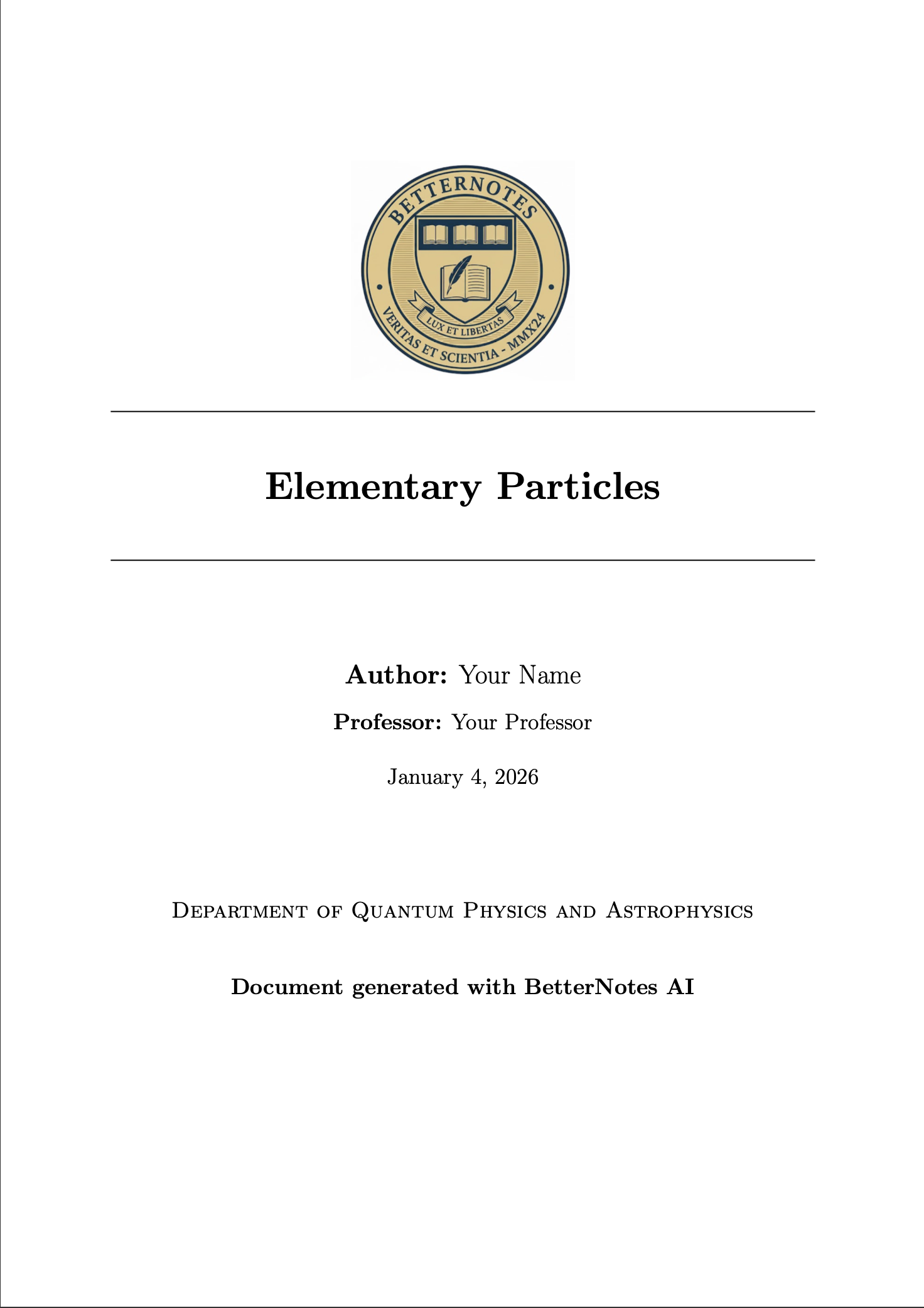
Extended Lecture Notes
Select template →
From lecture to perfect notes in minutes.
Watch how BetterNotes turns your raw material into structured, beautiful study content, automatically.
How it works
Three steps to a polished document
Choose a template & set up
Pick from 10+ academic templates, attach PDFs or images as context, and optionally tune pages and density.
Describe your content
Tell the AI what to write. Paste your notes, topics, or formulas, and it handles the LaTeX.
Download your PDF
Get a print-ready PDF with proper typesetting. Refine it with follow-up chat.
Share notes across your university
Publish your best notes to the BetterNotes registry. Find course-specific content from students at your institution, indexed by programme, subject, and professor.
One-click publish
Share any note set with your course community instantly. No copy-pasting, no external links.
University catalogue
Browse notes organised by faculty, degree, and year. Currently supporting UC3M, ESADE, and expanding.
Build your reputation
Earn recognition when peers save and use your notes. Your public profile tracks your community impact.
Your notes, working for the whole class
Publish once. Help dozens of students studying the same course.
Stuck on a problem? Get unstuck instantly.
Paste any exercise (maths, physics, chemistry, economics) and BetterNotes walks you through the solution step by step. Not just the answer: the reasoning behind it.
- ⚡
Step-by-step breakdowns
Every solution is explained at the level you need, not a one-liner.
- 📐
LaTeX & formula rendering
Equations display beautifully. Copy them straight into your notes.
- 🔁
Follow-up questions
Ask clarifying questions until the concept truly clicks.
Step 1: try rational roots
Possible rational roots are ±1, ±2, ±4. Testing x = 1:
f(1) = 1 − 6 + 9 − 4 = 0 ✓
Step 2: factor out (x − 1)
x³ − 6x² + 9x − 4 = (x−1)(x²−5x+4)
Step 3: solve the quadratic
(x−1)(x−1)(x−4) = 0
Solutions: x = 1 (double root) and x = 4
Question 3 / 10
Which of the following best describes the concept of comparative advantage?
Turn your notes into a personalised exam.
BetterNotes reads your notes and generates exam-style questions (multiple choice, short answer, or essay prompts) calibrated to exactly what you have been studying. Practice until you are ready.
- 🎯
Generated from your content
Questions are grounded in your actual notes, not generic textbook exercises.
- 📊
Instant feedback
See explanations for every answer, right or wrong, so you learn from each question.
- 🗓️
Spaced repetition ready
Schedule review sessions and track which topics need more work.